
January 22, 2026

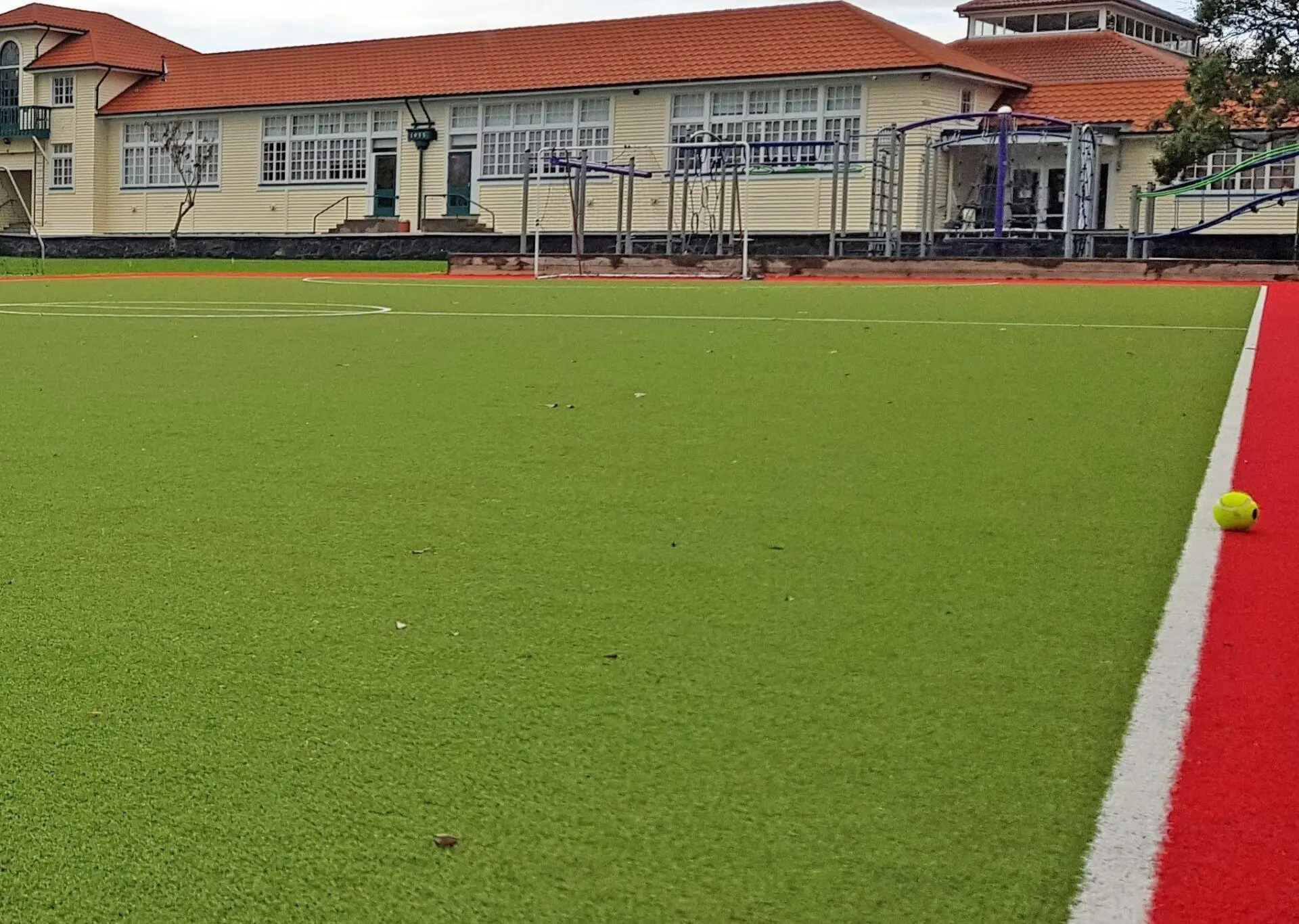
Schools across New Zealand are under pressure to balance tight budgets with the need to provide safe, attractive, and functional outdoor environments for students. Between maintaining natural grass fields, mowing, watering, and re-turfing, the costs add up quickly, not to mention downtime from weather damage and muddy conditions.
That’s why more schools are investing in synthetic turf as a long-term solution. Beyond transforming the look and usability of school grounds, it offers measurable savings and practical benefits that make it a smart return on investment.
Natural turf might seem cheaper at first, but its upkeep is constant and often unpredictable. Schools typically face:
For large campuses or sports fields, these costs can exceed tens of thousands of dollars annually. Worse, bad weather can make areas unusable for weeks, reducing physical activity time and disrupting sports programmes.
Artificial grass dramatically reduces the ongoing costs associated with school grounds maintenance. Once installed, it requires only occasional cleaning and brushing to stay in top condition.
Key long-term savings include:
Schools report that synthetic turf typically pays for itself within a few years through reduced upkeep and increased usability.
Everyday Benefits Beyond Savings
Synthetic turf isn’t just a financial decision, it enhances the overall school environment:
Teachers and principals consistently note how these benefits create a more active, enjoyable outdoor experience for students.
At TigerTurf, we design and install durable, low-maintenance artificial grass surfaces for schools across the country. Our turf products are built for New Zealand conditions and backed by long-term warranties.
We also work closely with school boards and principals to ensure the best balance between performance, safety, and return on investment.
Synthetic turf isn’t just an upgrade, it’s a sustainable investment that improves accessibility, reduces maintenance pressure, and supports active learning environments.
For schools seeking long-term value and year-round usability, it’s one of the smartest infrastructure decisions they can make.
How can we help?
Whether you need a surface solution for sports, leisure, or landscaping, our product range and expertise are second to none. Our experts are with you all the way, from selection to installation to maintenance: we pride ourselves on our exceptional customer service. So, what would you like to do next?