
January 29, 2026

As water restrictions become increasingly common across New Zealand, maintaining a green, healthy lawn is becoming more difficult for homeowners and property managers alike. Cities such as Auckland, Wellington, and Hamilton frequently impose watering bans during dry months, leaving natural grass brown, patchy, and unattractive.
That’s where artificial turf offers a practical, sustainable alternative. It delivers a lush, green appearance year-round without irrigation, making it an ideal solution for urban areas facing water shortages and tighter conservation rules.
New Zealand’s climate is changing. Extended dry spells and regional water shortages are now regular occurrences, especially during summer. Even areas that once received reliable rainfall have seen supply restrictions in recent years.
In many cities, councils limit hose use, sprinkler systems, and irrigation, forcing homeowners to choose between compliance and curb appeal. For businesses, schools, and public facilities, these restrictions can make grounds maintenance nearly impossible.
Artificial turf eliminates the single biggest source of outdoor water use, lawn irrigation. A typical natural lawn can require thousands of litres of water per month to stay green through summer. Synthetic turf, by contrast, needs none.
Key benefits include:
Across large developments, sports fields, and residential projects, the cumulative savings are substantial.
Environmental Impact
While it’s synthetic, artificial grass supports sustainability in several indirect ways:
Many modern turf products are also fully recyclable at end of life, further reducing environmental impact.
Water authorities estimate that households can save up to 50,000 litres of water per year by replacing a medium-sized natural lawn with synthetic turf.
A North Shore homeowner recently installed artificial grass during Auckland’s Level 2 water restrictions. Despite months of limited outdoor water use, their lawn remained perfectly green, and their water bill dropped by nearly 30 percent compared with the previous summer.
These results show that sustainability and visual quality can coexist.
Artificial turf works especially well in areas where water is limited or maintenance access is difficult:
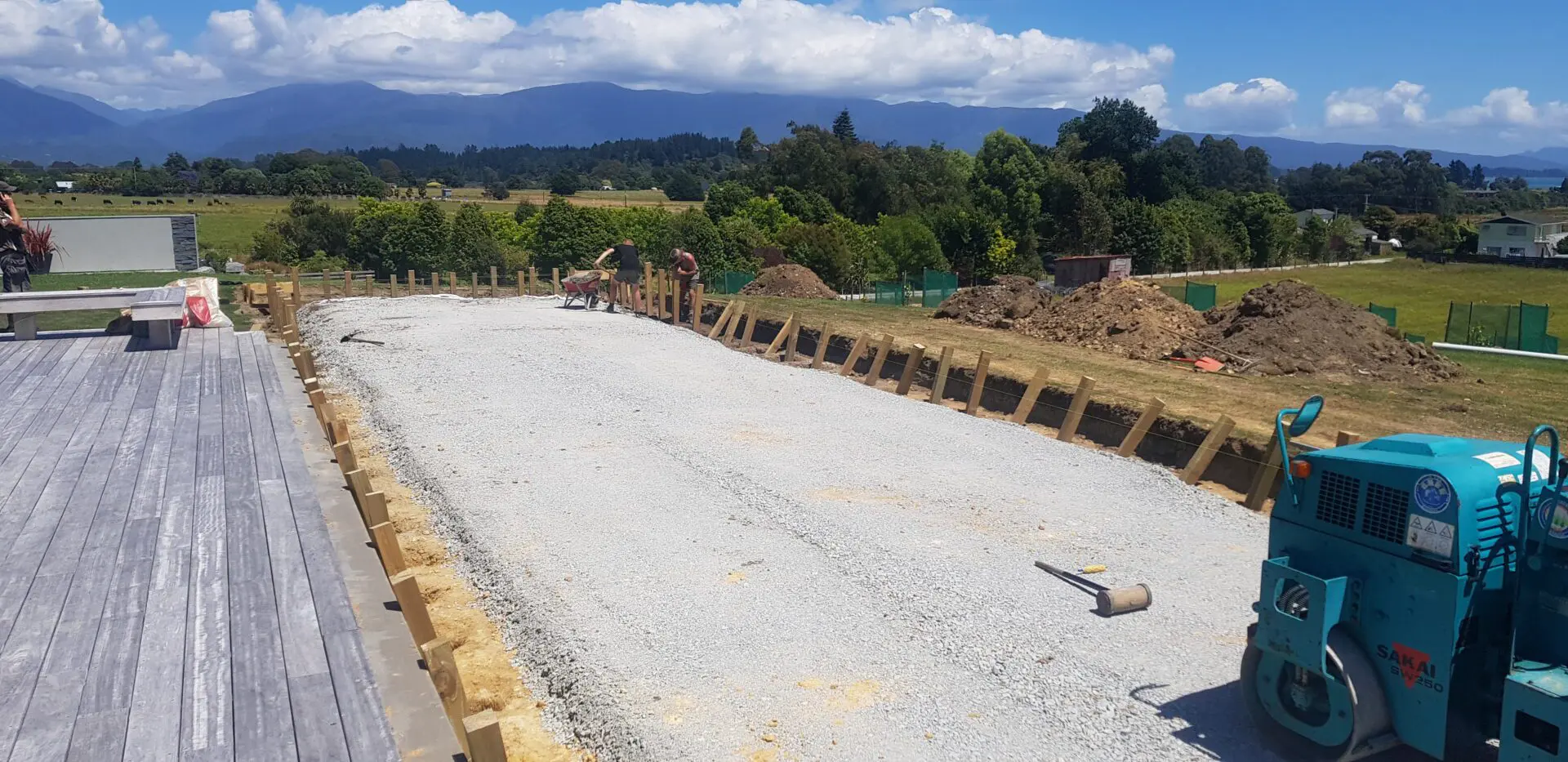
For larger artificial grass installations, drainage design ensures runoff is managed responsibly while retaining surface stability during heavy rain.
At TigerTurf NZ, we’re committed to helping Kiwi homeowners and organisations create greener outdoor environments that respect water limitations.
Our turf systems are engineered for New Zealand’s climate, UV-stable, durable, and fully permeable for excellent drainage. With professional installation, you’ll enjoy a lawn that looks immaculate without consuming a single drop of irrigation water.
Water restrictions are here to stay, but that doesn’t mean you have to sacrifice your lawn’s appearance. Artificial turf offers a sustainable, water-wise alternative that saves money, reduces environmental impact, and keeps New Zealand’s urban spaces looking vibrant all year.
How can we help?
Whether you need a surface solution for sports, leisure, or landscaping, our product range and expertise are second to none. Our experts are with you all the way, from selection to installation to maintenance: we pride ourselves on our exceptional customer service. So, what would you like to do next?