
February 21, 2026

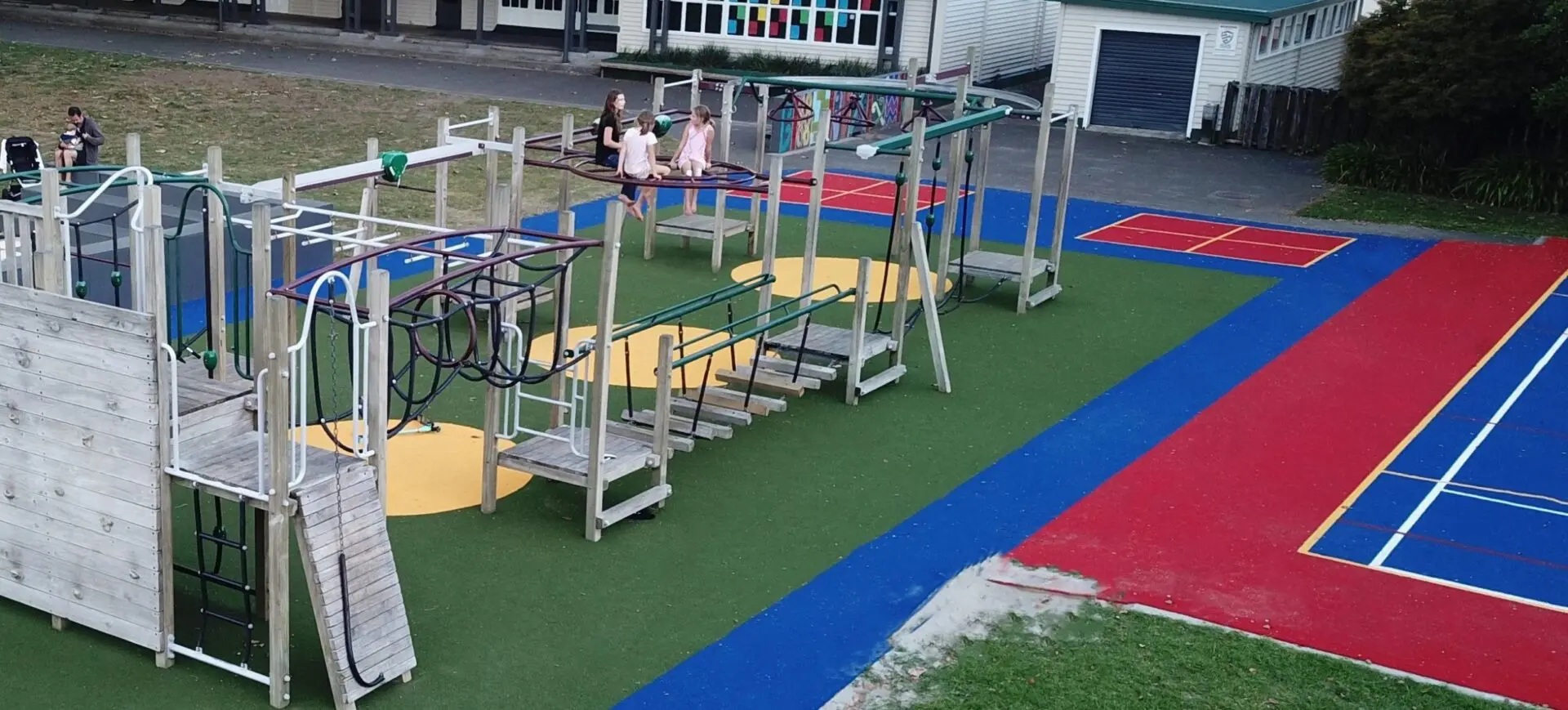
Inclusive playgrounds are designed to welcome every child, regardless of age, ability, or mobility. In New Zealand, schools, councils, and early learning centres are increasingly focused on creating outdoor environments that encourage social interaction, imaginative play, and safe movement for all.
Artificial turf has become an essential part of that vision. By combining safety, accessibility, and aesthetic appeal, it helps transform play areas into inclusive spaces that everyone can enjoy together.
An inclusive playground goes beyond ramps or soft surfaces. It’s about designing play areas where children of all abilities can interact and participate equally. That means removing barriers, physical and sensory, while promoting engagement, independence, and fun.
Core design goals include:
Artificial turf meets all these requirements while delivering a practical, long-lasting solution.
One of the biggest challenges in traditional playground design is uneven or muddy ground. Grass and bark chip surfaces can make it difficult for children using mobility aids to move freely.
Synthetic turf solves this by providing a smooth, even surface that supports mobility devices and active play without friction or drag. It’s firm enough for wheelchair access but cushioned enough for running and rolling safely.
In areas that require extra fall protection, turf can be installed over shock pads that meet New Zealand safety standards for playground impact attenuation.
Safety is paramount in any play environment. Artificial grass offers a consistent, non-slip surface that stays usable even after rain. When paired with the right underlay, it cushions falls and reduces the risk of injuries, a major advantage over concrete or compacted soil.
Unlike bark or sand, turf doesn’t scatter, sink, or degrade over time, ensuring long-term compliance with playground safety standards.
Colour and Sensory Design
Artificial turf comes in a range of colours and textures, giving designers the flexibility to create visually engaging sensory spaces. Multi-coloured zones can be used to define play areas, pathways, or activity boundaries, ideal for supporting both visual and tactile learning.
This creative potential makes synthetic turf a favourite for schools and early childhood centres wanting to blend function with fun.
NZ playgrounds face heavy foot traffic and unpredictable weather, from intense UV to persistent rain. Synthetic turf playgrounds are designed to withstand it all.
For councils and schools, this translates into a cost-effective, low-maintenance surface that remains safe and inviting all year.
At TigerTurf, we work with landscape architects, councils, and education providers to design inclusive playgrounds that combine accessibility, play value, and visual appeal.
Our turf systems can be tailored to any space, from preschool play zones to full-scale community parks, ensuring every child has the freedom to play, explore, and connect.
An inclusive playground should never feel restrictive. Artificial turf helps create open, inviting spaces where children of all abilities can move, imagine, and interact safely.
By prioritising accessibility, comfort, and safety, New Zealand schools and communities can design playgrounds that truly include everyone.
How can we help?
Whether you need a surface solution for sports, leisure, or landscaping, our product range and expertise are second to none. Our experts are with you all the way, from selection to installation to maintenance: we pride ourselves on our exceptional customer service. So, what would you like to do next?