
July 1, 2026

If you have had more than one quote for artificial grass, you have probably noticed the price and the inclusions do not always match up. One of the most common differences is whether a shock pad is included underneath the turf. It sounds like an optional extra, and sometimes it is, but for the right applications it is genuinely one of the most important parts of the installation.
A shock pad is a cushioning underlay installed beneath the turf itself, sitting on top of the compacted base. It is usually made from a foam, rubber crumb or specialist composite material designed to compress slightly under load and then spring back, rather than the turf sitting directly on a hard, unforgiving base.
This is the clearest case for a shock pad, and often a regulatory one. Playground surfacing in New Zealand is expected to meet fall-height safety standards, and a shock pad is usually what gets a synthetic surface across that line rather than the turf alone.
Dropping weights, doing plyometric work or setting up a sled track on turf laid straight over concrete is hard on both the turf and your joints. A shock pad softens the impact and protects the investment underneath it.
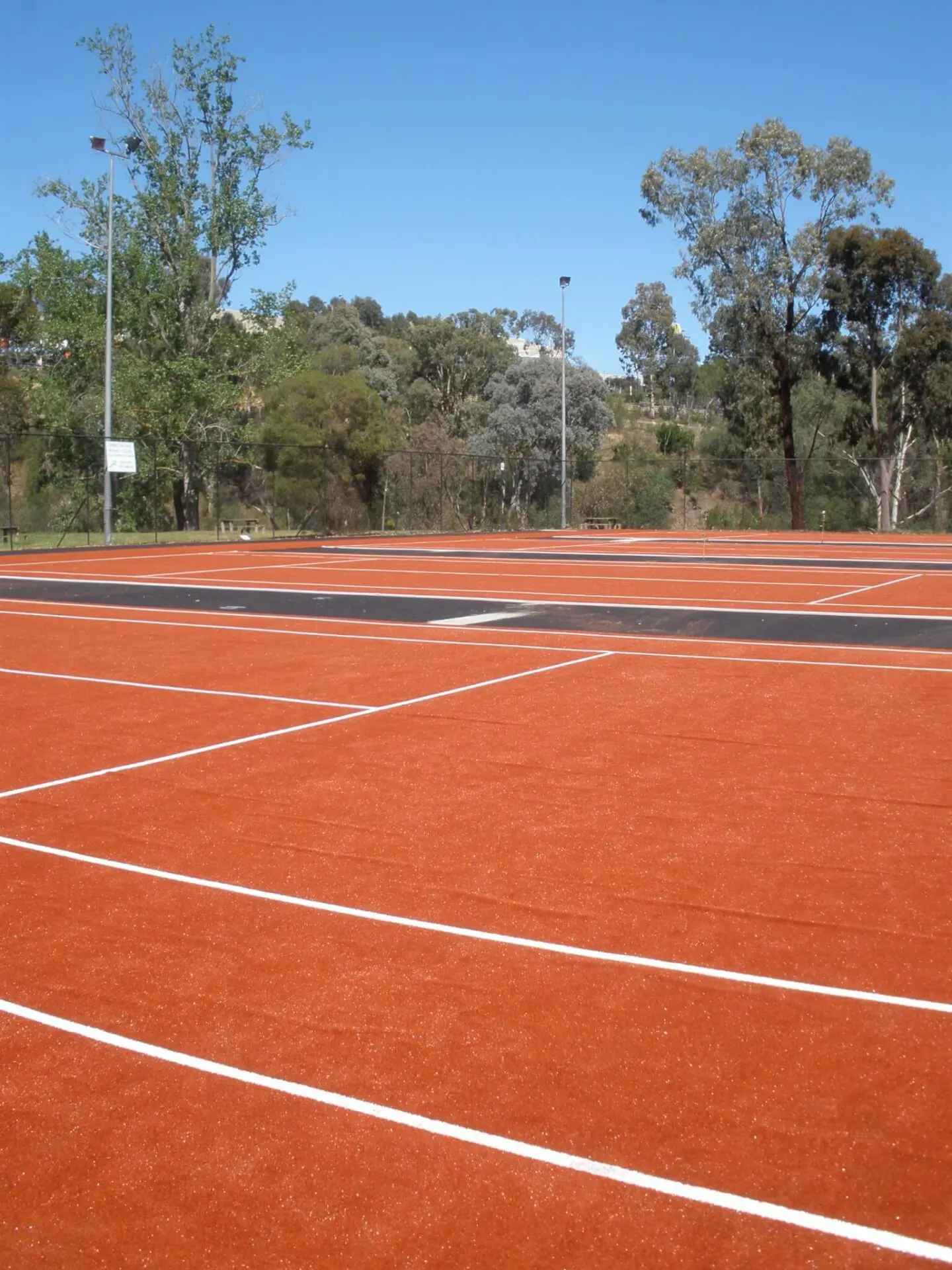
Backyard sports courts used for repeated, high-impact activity benefit from the same cushioning used on professional surfaces, just scaled down. It is worth reading alongside our guide to sport court line marking on synthetic turf if you are planning a multi-use court.
Any time turf is going down on concrete rather than soil, a shock pad is doing double duty: cushioning the surface and helping manage drainage, since concrete offers neither on its own.
A standard front lawn or a purely decorative backyard area used for sitting, entertaining or the occasional bit of lounging around usually does not need a shock pad. The compacted base beneath a well-installed lawn already provides adequate stability and comfort for typical foot traffic.
A shock pad adds to the upfront cost of a project, so it is fair to ask whether it is worth it. For playgrounds, gyms and sports courts, the answer is almost always yes, both for safety and for protecting the turf itself from premature wear. For a standard lawn, it usually is not needed, and a good installer will tell you honestly rather than upselling it regardless of the application.
As New Zealand’s only local manufacturer, TigerTurf’s artificial grass installation team assesses each site based on how it will actually be used, not a blanket recommendation. Whether you are planning a serious artificial turf home gym setup or a backyard court the whole family will use, our range including Tournament 1000 is built to work with or without a shock pad depending on your needs. If a home gym is the goal, our guide on choosing the best artificial grass for home gyms is a good next read.
Not sure if your project needs one? Request a free quote and TigerTurf will tell you honestly.
Done properly, no. A good shock pad is designed to soften impact without creating an obviously spongy feel underfoot. It should feel supportive, not like walking on a mattress.
Not easily. Adding one after the fact usually means lifting the existing turf and redoing the base layer beneath it, which is far more disruptive and costly than including it during the original installation.
A quality shock pad is permeable and actually supports drainage rather than hindering it, working alongside the base and turf backing rather than against them.
How can we help?
Whether you need a surface solution for sports, leisure, or landscaping, our product range and expertise are second to none. Our experts are with you all the way, from selection to installation to maintenance: we pride ourselves on our exceptional customer service. So, what would you like to do next?