
May 4, 2026

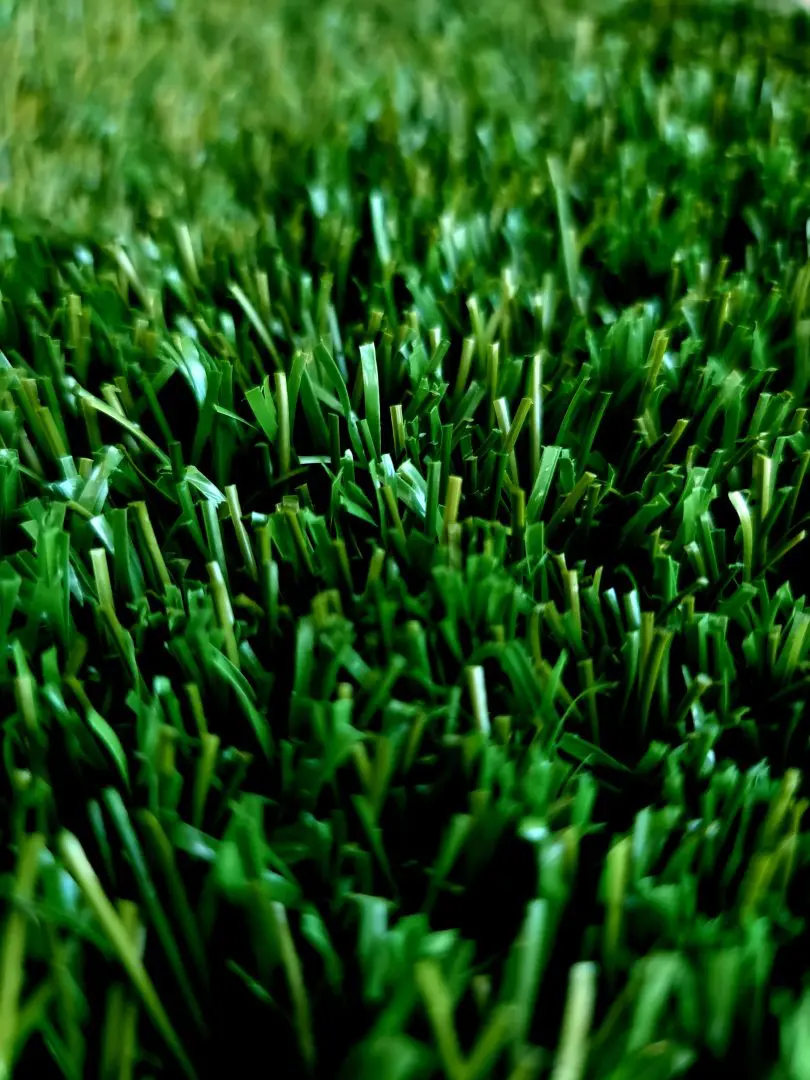
More Kiwi homeowners are rethinking what a “green” garden actually means. For years, green meant a lush lawn kept alive with sprinklers, fertiliser and a weekend mowing ritual. These days, it’s just as likely to mean a garden that works with our climate instead of against it: less water, fewer chemicals, and plenty of native planting that supports local birdlife and pollinators.
Synthetic turf has become a surprisingly natural fit for this shift. Paired thoughtfully with native plants, it can turn a high-maintenance, resource-hungry section into a low-impact outdoor space that still feels distinctly New Zealand.
Water restrictions are now a regular feature of summer in many parts of the country, from Auckland’s watering bans to smaller regional councils asking residents to cut back. A thirsty lawn is often one of the first things to suffer, and one of the biggest household water users when councils aren’t restricting use.
Replacing all or part of a lawn with synthetic turf removes that demand altogether. There’s no irrigation system to run, no need to water in over summer to stop the grass going brown, and no guilt trip every time the hose comes out.
It also cuts out the chemical side of lawn care. Traditional lawns often rely on:
All of that runs off into stormwater systems eventually, and for sections backing onto streams or coastal areas, that matters more than people realise. A synthetic lawn needs none of it.
The “eco” part of this approach isn’t really about the turf itself. It’s about what grows around it. Synthetic grass is brilliant for foot traffic, pet areas and the bits of the garden you actually use, but it doesn’t support soil life or local ecosystems the way planting does. That’s where native species come in.
Popular choices for Kiwi gardens that pair well alongside a synthetic lawn include:
By concentrating your water and soil-improvement efforts on these planted areas rather than spreading it thinly across an entire lawn, you end up with a garden that’s actually doing more ecologically, not less.
Reducing water use is the most obvious saving, but the eco benefits run a bit deeper:
A common worry is that synthetic turf will look out of place next to native planting. In practice, the opposite tends to be true when it’s done well.
A few things make the difference:
TigerTurf is New Zealand’s only local synthetic turf manufacturer, which means our products are made specifically for our UV levels, our rainfall patterns and our soil types rather than adapted from products designed for Europe or the Middle East. That local focus matters when you’re trying to build a garden that genuinely suits New Zealand conditions, not just one that looks good in a brochure.
If sustainability is a priority for your next landscaping project, it’s worth understanding the fuller picture of how synthetic turf fits into a low-impact garden. You can read more on our sustainable artificial turf page, including how our products are made and what that means for your section over the long run.
Combining synthetic turf with native plants isn’t about choosing artificial over natural. It’s about putting each in the place it does best: hardy, low-impact turf where people walk and play, and native planting where the ecological benefit really counts.
How can we help?
Whether you need a surface solution for sports, leisure, or landscaping, our product range and expertise are second to none. Our experts are with you all the way, from selection to installation to maintenance: we pride ourselves on our exceptional customer service. So, what would you like to do next?