January 22, 2025

Seasonal allergies affect millions of Australians every year, particularly during spring and summer when pollen levels are high and natural lawns release allergens into the air. For homeowners, schools, and childcare centres, maintaining outdoor spaces that are both safe and comfortable can be a real challenge — especially for people who suffer from hay fever, asthma, or grass allergies.
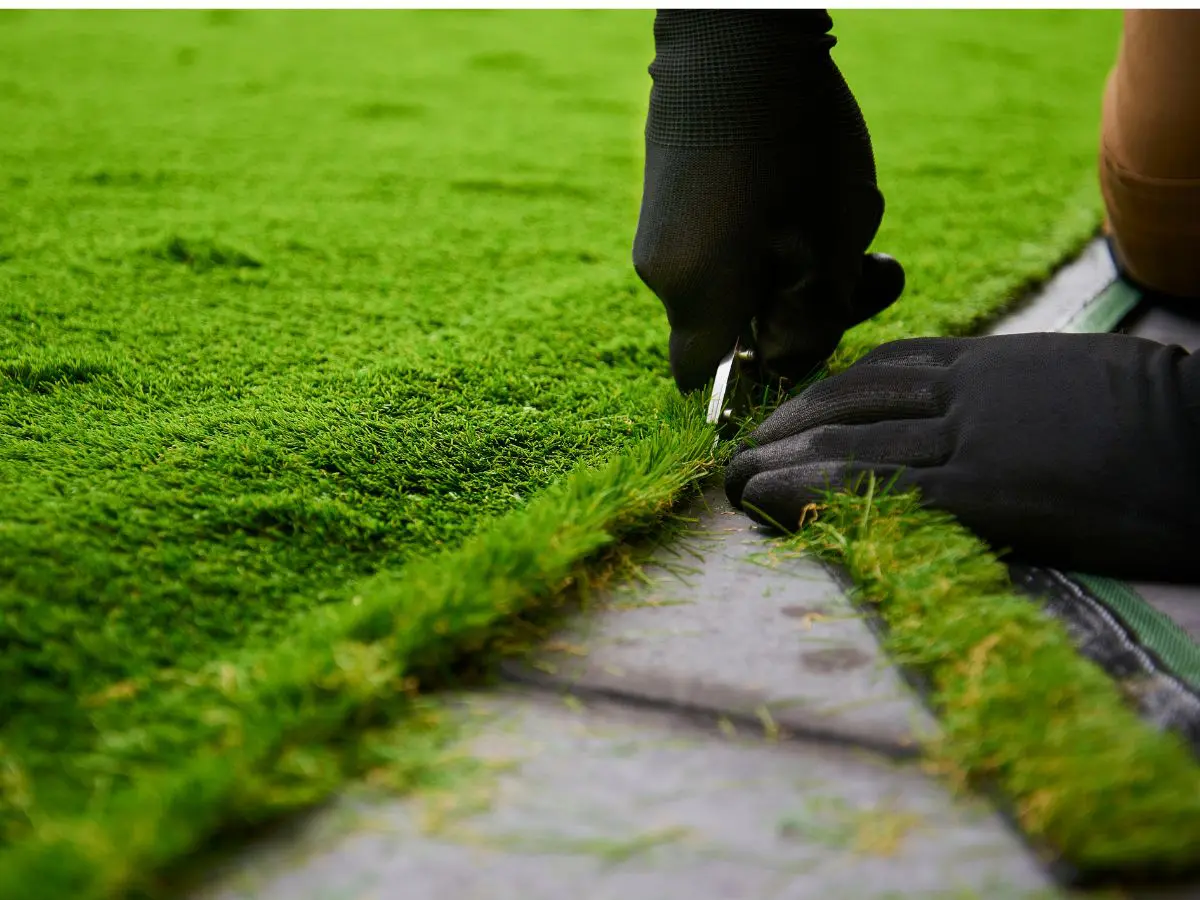
This is one of the reasons synthetic turf has become increasingly popular. Unlike natural lawn, artificial grass does not produce pollen, does not harbour the same outdoor allergens, and creates a cleaner, more controlled environment. In this guide, we explore how hypoallergenic turf Australia environments help reduce allergy symptoms, improve air quality, and support healthier outdoor living.
To understand why artificial turf reduces allergy symptoms, it helps to know what causes reactions in the first place.
Most natural grasses produce large amounts of windborne pollen — one of the most common triggers of hay fever in Australia.
When lawns mature or become stressed, they release seed heads that increase irritation.
Moisture, rain, and irrigation create ideal conditions for mould growth beneath natural lawn.
The organic build-up within a natural lawn traps allergens that are easily disturbed during play, mowing, or walking.
Cut grass releases significant amounts of allergens into the air.
These factors tend to peak during spring, leading to allergy flare-ups for both children and adults.
Artificial grass provides a cleaner, low-allergen environment in several key ways:
Synthetic turf does not produce pollen — eliminating the primary cause of lawn-related allergies. This makes it ideal for:
For people with persistent or severe hay fever, this alone can dramatically improve outdoor comfort.
Because synthetic turf has no soil layer, it eliminates a major breeding ground for mould and spores. High-quality turf systems also feature drainage that helps keep the surface dry, reducing moisture build-up after rain.
This is especially valuable for coastal areas or tropical climates where humidity levels remain elevated.
Weeds, clover, and grass seed heads are common irritants in Australian gardens. Since weeds struggle to grow through synthetic turf (especially when installed correctly), there is a noticeable reduction in:
This creates a more predictable, controlled outdoor environment.
Children and pets often stir up pollen, dust, and spores when playing on natural grass. Synthetic turf significantly reduces this transfer.
Parents often notice that symptoms such as runny noses and itchy eyes decrease when children play on turf instead of natural lawn.
Every time natural grass is cut, trimmed, or dethatched, allergens are released. Artificial turf eliminates:
Less disturbance of plant material means fewer allergens are released into the air.
Yes — synthetic grass is often recommended as a low-irritant outdoor surface for families with asthma or respiratory sensitivities. It contributes to a cleaner micro-environment by:
Combined with good outdoor airflow and regular cleaning, synthetic turf can help create a safer play space.
Beyond allergy reduction, artificial turf offers several advantages for wellbeing:
No pesticides
No herbicides
No fertilisers
Many of these chemicals can irritate the skin or respiratory system.
Natural grass can attract insects that trigger allergic reactions. Turf reduces habitat for ants, mites, and other pests.
No prickles, bindis, or uneven patches that cause injuries — important in childcare and school settings.
To maximise health benefits, follow these simple maintenance tips:
This helps remove dust, pet dander, and airborne allergens.
Maintains appearance and keeps the surface fresh.
Prevents buildup that could hold moisture or spores.
Silica sand or cooling infill reduces dust and enhances stability.
Good drainage prevents moisture-related allergies.
These small steps make a noticeable difference in long-term air quality.
Artificial grass is especially popular among:
Its low-irritant nature makes outdoor spaces more accessible to people who might otherwise avoid outdoor play during peak allergy seasons.
Synthetic turf offers a cleaner, safer, and significantly more allergy-friendly outdoor environment compared to natural grass. With no pollen, reduced mould potential, and far less dust and debris, hypoallergenic turf installations help families and organisations create outdoor spaces that look great and support healthier living.
Whether you’re designing a backyard, childcare centre, rooftop terrace, or school play area, artificial grass provides a low-maintenance and low-allergen solution that performs consistently across Australia’s diverse climates.
How can we help?
Whether you need a surface solution for sports, leisure, or landscaping, our product range and expertise are second to none. Our experts are with you all the way, from selection to maintenance: we pride ourselves on our exceptional customer service. So, what would you like to do next?