January 29, 2026

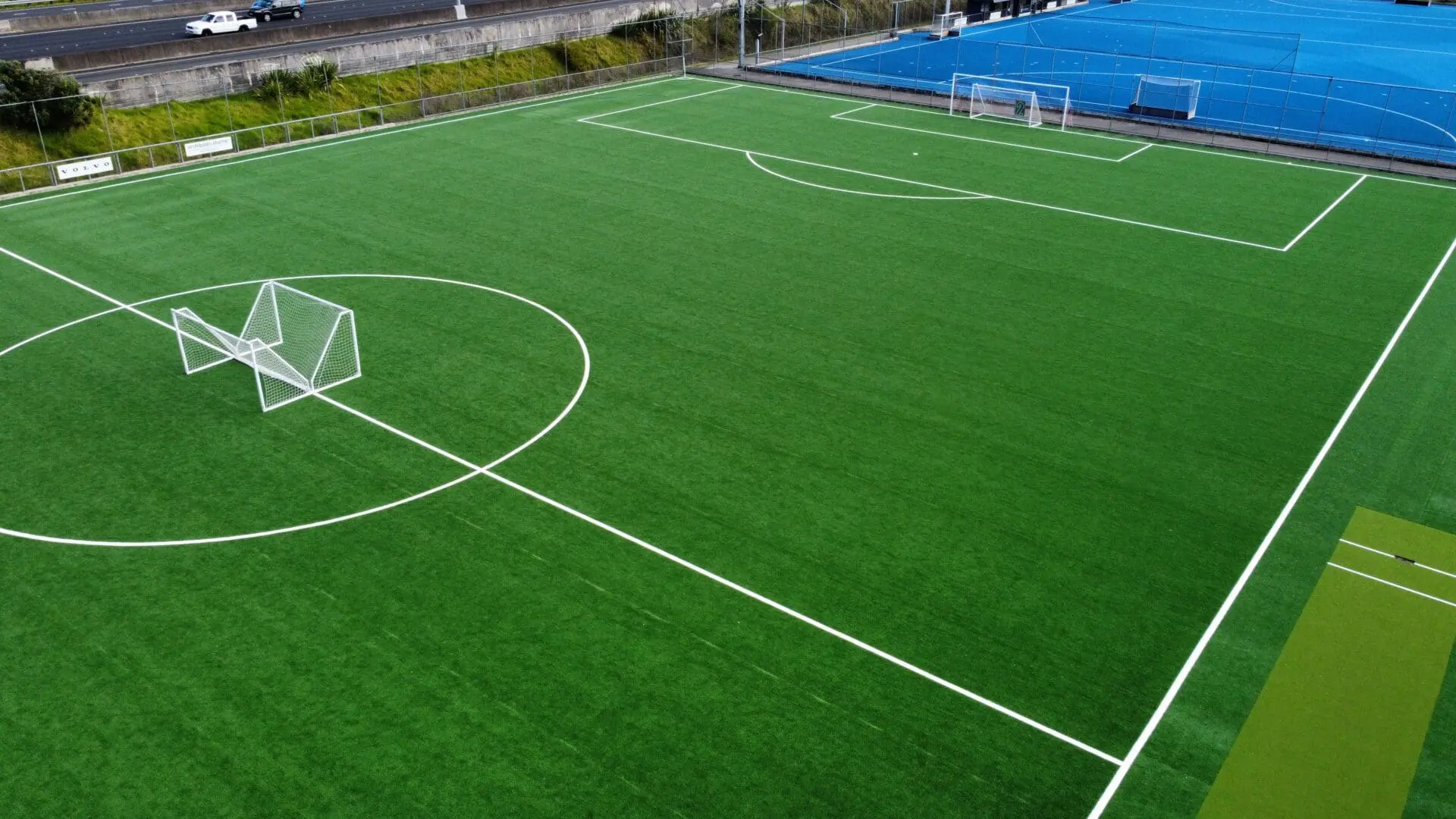
From community ovals to tennis courts and training pitches, Australian sports clubs are under growing pressure to maintain quality playing surfaces year-round. Drought, water restrictions, and unpredictable weather make it harder than ever to keep natural turf in top condition — not to mention the high costs of mowing, irrigation, and reseeding.
That’s why more clubs are turning to synthetic sports turf. The latest generation of artificial grass offers excellent performance, consistency, and durability across multiple sporting codes — while dramatically reducing maintenance demands.
Each sport places unique demands on the playing surface. Selecting the right synthetic turf means understanding how pile height, density, and infill type affect gameplay, safety, and performance.
For football and rugby:
For hockey:
For tennis and multi-sport courts:
By tailoring turf selection to your club’s sporting needs, you can ensure optimal performance and player satisfaction.
One of the biggest advantages of modern synthetic turf is its ability to replicate natural grass performance under consistent conditions. Unlike real turf, it won’t become uneven, waterlogged, or dusty between seasons.
Key benefits include:
These features help clubs maximise facility use, boost memberships, and provide reliable spaces for community sport.
Synthetic sports turf is engineered to withstand high wear and tear over many seasons. UV-stabilised fibres resist fading under the Australian sun, while durable infill and backing systems protect against compaction and deformation.
Maintenance involves only periodic brushing and infill top-ups — far simpler than mowing, watering, or repairing natural turf after wet games. Over a 10–15 year lifespan, the operational cost savings are substantial.
Artificial sports turf supports sustainability by conserving water, reducing chemical use, and lowering emissions from mowing equipment. It also ensures continuous use of sports facilities during drought conditions — a growing concern in regions facing water scarcity.
Clubs can also pair synthetic turf with eco-conscious base materials and drainage systems that promote responsible water management.
At TigerTurf Australia, we design, manufacture, and install high-performance synthetic sports systems tailored for Australian conditions. From elite stadiums to local school fields, our products are certified for safety, durability, and play quality across a range of codes.
Whether you’re upgrading an existing field or building a new facility, our team can recommend the ideal turf system to balance performance, maintenance, and long-term value.
For Australian sports clubs, synthetic turf is more than a modern alternative — it’s an investment in reliability, performance, and sustainability. By choosing the right surface for your sport, you can deliver a safe, consistent, and professional playing experience all year round.
How can we help?
Whether you need a surface solution for sports, leisure, or landscaping, our product range and expertise are second to none. Our experts are with you all the way, from selection to maintenance: we pride ourselves on our exceptional customer service. So, what would you like to do next?