
February 21, 2026

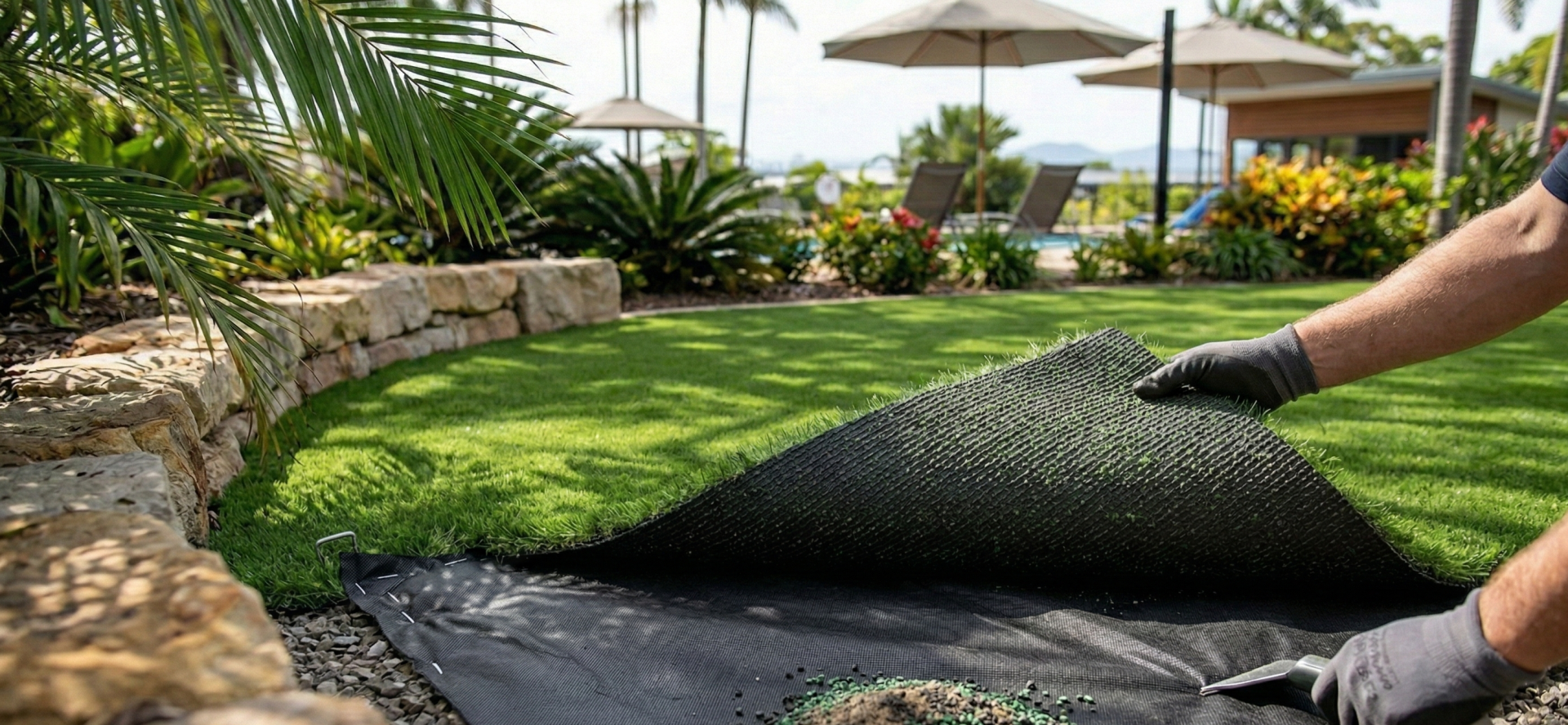
One of the biggest reasons Australians switch to artificial grass is to escape the endless cycle of mowing, watering, and weeding. However, even the best synthetic turf installations can occasionally experience weeds popping up, usually around the edges or through drainage holes.
While this doesn’t happen often, a few preventive measures during installation (and simple upkeep afterward) can keep your lawn perfectly weed-free year-round.
Artificial turf is designed to suppress weed growth, but no surface is completely immune. Weeds usually find their way through from:
Most of these issues can be prevented with proper preparation and maintenance.
Step 1: Use a High-Quality Weed Membrane
A weed-suppressing geotextile fabric should always be installed before the turf is laid. This acts as a barrier between the soil and grass, blocking light and preventing weeds from germinating.
Look for:
This single step stops most underground weeds before they start.
Step 2: Prepare and Compact the Base
Weeds thrive in moist, loose soil — which is why proper base preparation is crucial. Before laying your turf:
A solid, compacted base leaves no space for weeds to grow through.
Open edges and seams are common points where wind-blown seeds can settle. During installation:
If you already have turf installed, you can add edging later to reinforce these vulnerable spots.
Even though artificial grass is low-maintenance, a bit of routine care goes a long way in keeping weeds away:
These small steps prevent small issues from becoming recurring problems.
DIY turf installation can work for small areas, but professional installers ensure the base, drainage, and membrane layers are properly aligned — greatly reducing the risk of weeds long term.
With expert artificial grass installation from TigerTurf Australia, your artificial grass is installed with the right base materials, edging, and weed protection to deliver a flawless, low-maintenance finish.
Consistent, simple upkeep helps your synthetic lawn stay clean, soft, and weed-free all year round.
Weeds are no match for a well-installed artificial lawn. With the right base preparation, quality weed barrier, and a few minutes of maintenance each month, you’ll enjoy a clean, low-maintenance outdoor space that stays perfect season after season.
How can we help?
Whether you need a surface solution for sports, leisure, or landscaping, our product range and expertise are second to none. Our experts are with you all the way, from selection to maintenance: we pride ourselves on our exceptional customer service. So, what would you like to do next?