July 4, 2026
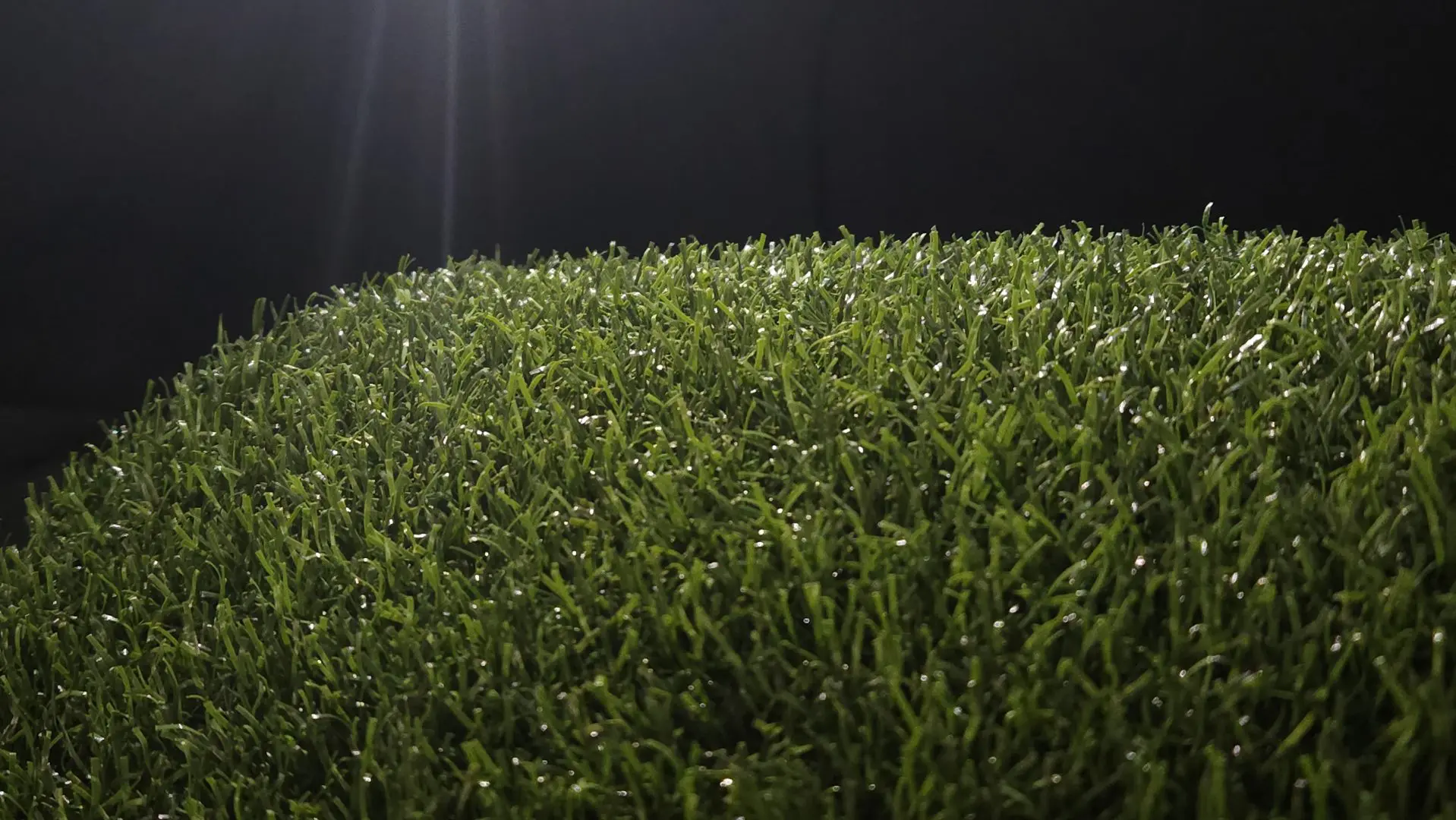
Walk into almost any hardware store, landscaping showroom or search results page and you’ll see the same product called three different things: artificial grass, synthetic turf, and astroturf. Suppliers use them interchangeably, customers use them interchangeably, and most of the time it doesn’t cause any confusion at all. But the terms do have distinct origins, and understanding them helps you ask better questions when you’re comparing products rather than just comparing names.
In everyday use, yes. “Artificial grass” and “synthetic turf” both describe a manufactured surface designed to look and feel like natural grass, without the growing. Within the industry, “turf” is sometimes used more specifically for the sports and commercial end of the market (hockey pitches, football fields, cricket wickets), while “grass” leans toward residential and landscape use. That’s a convention, not a strict rule, and you’ll see both terms used across TigerTurf’s own range depending on the application.
Astroturf isn’t a generic term at all: it’s a registered trademark, first developed by Monsanto in the 1960s and famously installed in the Houston Astrodome in 1966 after the stadium’s natural grass failed to grow under the new domed roof. That original product was a short, dense nylon carpet with little resemblance to modern synthetic grass: no realistic blade shape, no infill system, and a reputation for being hard, hot and abrasive on skin.
Because it was the first widely known product of its kind, “astroturf” became a genericised trademark, in much the same way “thermos” or “esky” came to describe an entire category rather than one brand. When people say “astroturf” today, they almost always mean modern artificial grass, not the specific 1960s product the word was originally coined for.
These are informal, consumer-facing terms rather than industry terminology. They’re simply how people search and talk about the product day to day, and search volumes for “fake grass” in Australia are actually higher than for “artificial grass” itself. There’s nothing wrong with the phrase; it just doesn’t tell you anything about the quality, materials or intended use of the product behind it.
Not much, on its own. What matters is what’s underneath the name: the yarn type, the backing, the infill, and specifications like pile height, density and face weight. Two products both marketed as “premium artificial grass” can perform very differently depending on those factors.
If you’re comparing quotes or products, it’s worth moving past the label and asking suppliers to walk you through the spec sheet instead. We’ve broken down exactly what those specifications mean in our companion guides on what synthetic turf is made of and how to read pile height, density and face weight, so you know what you’re actually paying for.
Is synthetic turf the same as astroturf? Functionally, yes, today. “Astroturf” is technically a trademarked brand name rather than a generic product category, but it’s used that way in everyday conversation.
Is artificial grass different from synthetic turf? No meaningful difference. The terms are used interchangeably across the Australian industry.
Why do people still say ‘astroturf’ if it’s a brand name? Because it was the first artificial grass product most people became aware of, and the name has stuck the same way “thermos” has for vacuum flasks.
Whatever you call it, if you’re planning a project in Australia, our team can help you match the right product to your climate, budget and use case. Get in touch for a free, no-obligation quote.
How can we help?
Whether you need a surface solution for sports, leisure, or landscaping, our product range and expertise are second to none. Our experts are with you all the way, from selection to maintenance: we pride ourselves on our exceptional customer service. So, what would you like to do next?