
April 1, 2026

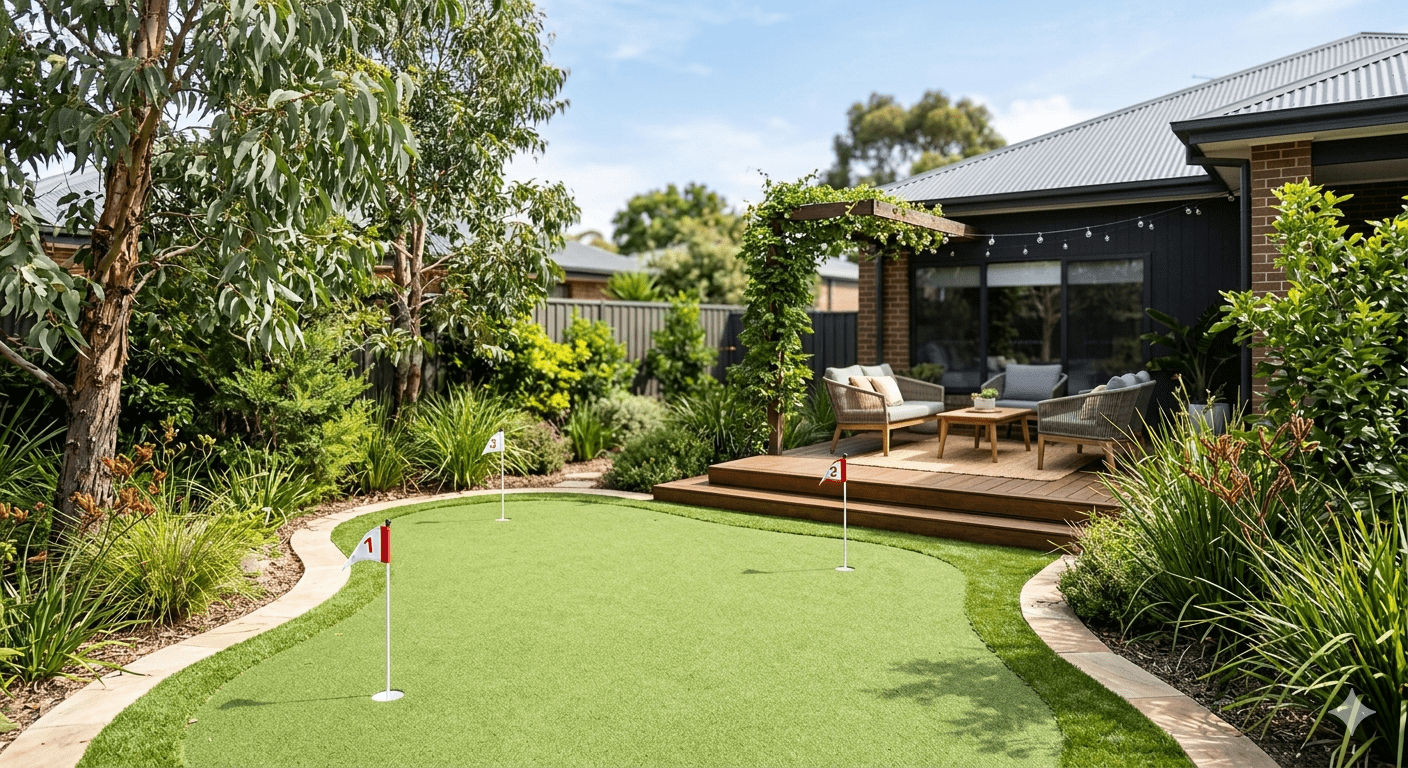
For many Australians, golf is more than a weekend pastime. It is a habit, a challenge, and a way to unwind. Installing a backyard putting green brings that experience home, allowing you to practise regularly without heading to the course.
With modern synthetic surfaces, backyard putting green turf Australia projects are more achievable than ever. The key is understanding design, turf selection, and installation requirements so the final result feels authentic and performs consistently.
The first step in designing a putting green is choosing the right area. Ideally, you want:
Even smaller yards can accommodate compact greens. It is less about size and more about smart shaping and thoughtful design.
Not all artificial grass is suitable for putting. Golf-specific turf is engineered to deliver consistent ball roll and realistic speed.
When comparing options for backyard putting green Australia installations, look for:
Some homeowners prefer faster greens that mimic tournament conditions. Others opt for a slightly slower roll for casual play. Product choice will influence that outcome.
For residential applications, TigerTurf Australia Landscape offers turf options suited to backyard golf setups.
A great putting green is not perfectly flat. Subtle slopes and breaks create interest and improve practice quality.
Common design features include:
Contours are built into the base during installation. This is where professional planning becomes important. Poor groundwork can lead to uneven roll and inconsistent performance.
As with any artificial turf project, the base is critical. A compacted aggregate layer provides stability and supports drainage. Even though putting greens are relatively small, proper preparation prevents movement and soft spots over time.
Key installation considerations:
In most Australian climates, a well-prepared base ensures the surface remains usable throughout the year.
A putting green should feel like part of your garden, not an isolated feature. Many homeowners incorporate:
Framing the green properly enhances both appearance and function. It also helps define play space without overwhelming the yard.
For tailored advice and installation support, TigerTurf Australia can assist with selecting products and planning layout for backyard golf projects.
Artificial putting greens require minimal maintenance compared to natural turf. There is no mowing, watering, or fertilising. Basic care includes:
With proper installation and care, a quality surface can deliver years of consistent practice conditions.
Designing a backyard putting green in Australia is about more than simply laying turf. It requires attention to shaping, surface choice, and installation detail. When done properly, it creates a private, low-maintenance space that supports regular practice and enjoyment.
For homeowners looking to elevate their outdoor area, a backyard putting green Australia project offers both lifestyle value and long-term durability.
How can we help?
Whether you need a surface solution for sports, leisure, or landscaping, our product range and expertise are second to none. Our experts are with you all the way, from selection to maintenance: we pride ourselves on our exceptional customer service. So, what would you like to do next?