December 5, 2025

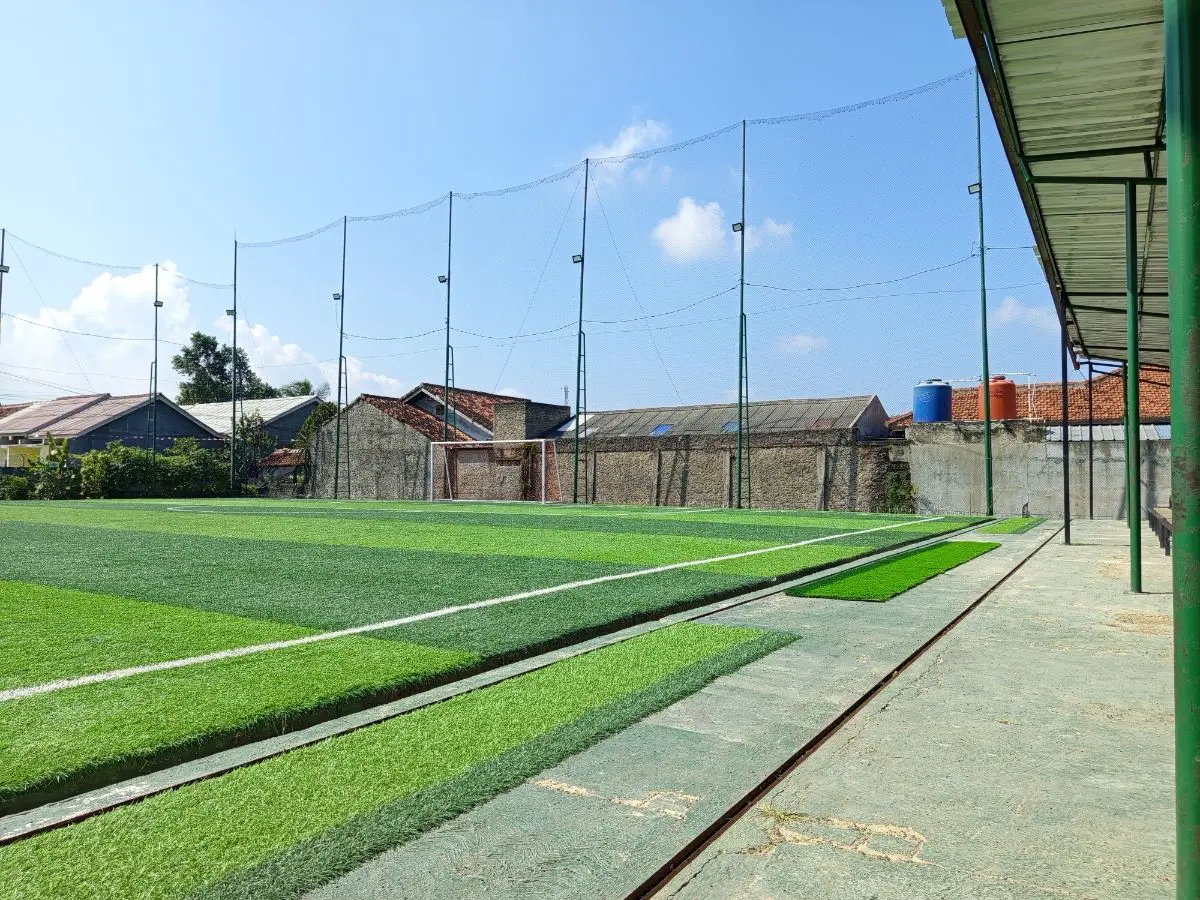
Australia’s climate is known for extreme sunlight, long hot summers, and UV levels that rank among the highest in the world. These conditions can make natural lawn difficult and expensive to maintain — leaving many homeowners looking for alternatives that can handle the heat without constant watering, mowing, or repair work.
This leads to an important question: how well does artificial turf perform under intense Australian sun and summer heat?
Modern synthetic turf is engineered specifically for harsh climates, and high-quality products can withstand UV exposure, high temperatures, and fluctuating weather far better than many natural lawn varieties. In this guide, we explain how Australian heat conditions influence turf performance, what to expect during peak summer, and how to choose turf that stays cool, safe, and durable.
Before looking at synthetic turf performance, it’s worth understanding why natural lawns fail during summer:
Synthetic turf overcomes these challenges through engineered fibre technology and UV stabilisation.
Artificial grass used in Australia undergoes extensive UV and heat testing to ensure long-term colour performance and durability.
High-quality turf fibres are treated with UV inhibitors during manufacturing. These additives:
This ensures the turf stays green even after years of direct sunlight.
Polyethylene fibres, commonly used in premium turf, perform extremely well in heat. They soften slightly under high temperatures but return to normal as they cool.
Turf is safe in full Australian sun.
Some advanced turf products include cooling features, such as:
These solutions help reduce surface temperature in direct sun.
Like most outdoor surfaces, artificial turf warms up in the sun — similar to concrete, pavers, or decking. However, several factors influence how warm it gets:
Most homeowners find turf comfortable to use in the morning, late afternoon, and evenings even during peak summer.
UV exposure is one of the biggest threats to outdoor materials in Australia — but modern turf is specifically engineered to resist long-term sun damage.
This gives synthetic grass a much longer lifespan in harsh climates than many alternative landscaping materials.
Australia’s climate varies dramatically between regions. Here’s how turf performs in different environments:
Yes — synthetic turf is designed with safety in mind.
For pet owners, turf stays cleaner than natural lawns and does not suffer from urine burn.
Not all synthetic turfs are the same. To ensure long-term performance in hot climates, choose turf with:
Products specifically designed for Australian conditions consistently outperform imported low-cost alternatives.
Turf is very low maintenance, but a few small steps help keep it looking fresh during hot weather:
These take minutes, far less than maintaining natural grass in summer.
Modern synthetic turf is engineered to thrive in Australian heat and harsh sunlight. With UV-stable fibres, durable backing layers, fast drainage, and optional cooling technologies, artificial grass offers a reliable, low-maintenance solution for homes across every climate zone. From suburban backyards to rooftop terraces and poolside landscapes, turf provides year-round usability without the challenges of natural lawn during summer.
Whether you’re upgrading your backyard or planning a new build, high-quality turf ensures your outdoor space stays green, resilient, and enjoyable through Australia’s hottest months.
How can we help?
Whether you need a surface solution for sports, leisure, or landscaping, our product range and expertise are second to none. Our experts are with you all the way, from selection to maintenance: we pride ourselves on our exceptional customer service. So, what would you like to do next?