July 24, 2026

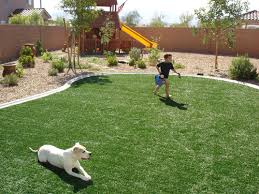
If you have got a dog or two doing their business on your artificial lawn, you have probably already wondered whether odours are an inevitable part of the deal. The good news is they do not have to be. With the right setup and a simple routine, your synthetic lawn can stay fresh year-round, even with multiple pets using it daily.
This guide walks through why pet odours build up on artificial turf in the first place, what you can do to prevent them, and how to deal with existing smells if they have already taken hold.
Unlike natural grass, which absorbs and breaks down urine through soil and root systems, artificial turf relies entirely on its drainage backing and infill to manage liquid waste. When urine is not flushed through properly, it can sit in the infill or pool at the base layer beneath the turf. Over time, it crystallises, and those crystals are what release the strong ammonia smell most pet owners are familiar with.
A few common culprits behind persistent odours include:
The good news is that most of these issues are entirely preventable, especially if you think about odour control from the moment your turf is installed.
Prevention genuinely beats cure here. If you are installing new turf and know pets will be using it heavily, it is worth discussing odour control with your installer upfront rather than trying to fix issues after the fact. Two things make the biggest difference:
Proper base preparation and drainage. A free-draining base allows urine to pass through quickly rather than pooling at the surface or in the backing. This is the single biggest factor in keeping a pet area odour-free long term.
Pet-specific infill. Standard sand infill can absorb odours rather than neutralising them, which means smells build up over time. Specialised infills designed for pet areas are formulated to help break down ammonia and resist bacterial growth, keeping the surface fresher between cleans.
Once your turf is installed, keeping it odour-free comes down to consistency rather than intensive effort. A practical weekly routine looks something like this:
For a deeper clean every few weeks, a pet-safe enzymatic cleaner can help break down any urine residue that regular rinsing has not fully shifted. These products use natural enzymes to target the source of the smell rather than just masking it, which makes a real difference over time. Avoid bleach or harsh chemical cleaners, as these can damage turf fibres and backing without actually solving the odour problem.
If your existing lawn already has a lingering smell, do not panic, it is usually fixable without ripping everything up. Start with a thorough rinse of the affected area, followed by an enzymatic treatment left to sit and work into the infill. For more stubborn cases, it may be worth having a professional assess whether the infill needs replacing or whether drainage issues at the base are contributing to the problem.
If you are dealing with ongoing odour issues despite a good cleaning routine, it is a sign worth investigating further rather than living with. Sometimes the underlying drainage or infill setup simply was not designed with pets in mind, and an upgrade can make a bigger difference than another bottle of cleaner.
If you are considering new turf, or thinking about upgrading an existing pet area, it pays to choose a product designed with drainage and odour control built in from the start. TigerTurf’s residential turf solutions are designed with Australian homes and pet owners in mind, helping you avoid the odour headaches altogether rather than chasing them after the fact.
With the right product, the right base preparation, and a simple weekly routine, there is no reason your pet-friendly lawn cannot stay clean, green, and fresh all year round.
How can we help?
Whether you need a surface solution for sports, leisure, or landscaping, our product range and expertise are second to none. Our experts are with you all the way, from selection to maintenance: we pride ourselves on our exceptional customer service. So, what would you like to do next?