April 1, 2026

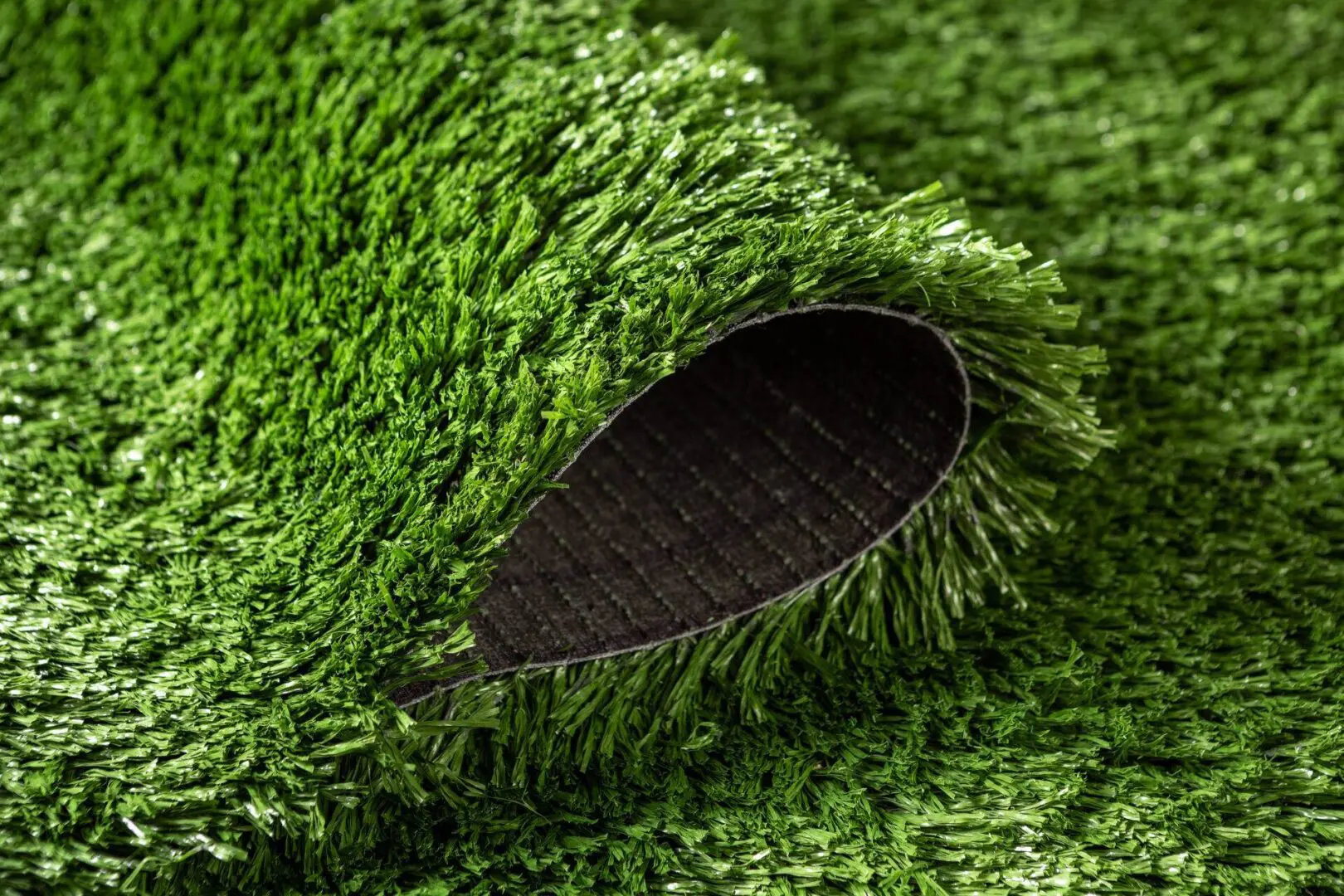
When you are considering a synthetic turf installation, lifespan is one of the most important questions you can ask. A product that lasts eight years tells a very different financial story from one that performs well for twenty. And in New Zealand, where UV radiation is among the highest in the world and seasonal conditions vary significantly across the country, lifespan is not just a manufacturer’s claim. It depends on how well the product was specified for our specific environment.
Here is an honest look at what determines how long synthetic turf lasts in New Zealand, what shortens it, and what you can do to get the most from your investment.
Quality synthetic turf installed correctly in a residential New Zealand setting typically lasts between 15 and 20 years before replacement becomes worthwhile. Sports surfaces under intensive competition use tend to have shorter replacement cycles, often 8 to 12 years, due to higher wear intensity.
These figures assume a product that is properly UV-stabilised for New Zealand conditions, installed over an adequate base, and maintained at a basic level. Products that fall short on any of these factors will underperform against those benchmarks.
New Zealand sits under one of the thinnest sections of the ozone layer, and our UV index during summer regularly reaches levels classified as extreme. This is the single most important environmental factor affecting synthetic turf lifespan in this country, and it is where cheap or imported products most often fail.
UV radiation degrades synthetic turf in two primary ways:
Quality turf manufacturers, including TigerTurf as New Zealand’s only local manufacturer, build UV stabilising compounds directly into the fibre during extrusion. This is fundamentally different from a surface coating that wears off. UV-stabilised fibres maintain their structural integrity and colour under New Zealand sun for the full rated lifespan of the product.
When evaluating products, ask specifically whether the UV stabilisation is integral to the fibre or a surface treatment, and whether it has been tested to relevant international standards under UV conditions comparable to New Zealand’s.
TigerTurf’s full range of UV-stabilised artificial turf products are manufactured in New Zealand specifically for our climate conditions.
Beyond UV, mechanical wear is the other primary driver of synthetic turf lifespan. Not all wear is equal, and understanding your specific usage patterns helps you choose the right product from the outset.
Matching the product’s wear rating to your actual use case is one of the most important decisions in a synthetic turf purchase. A mid-range residential product in a low-intensity setting will outlast its rated lifespan easily. The same product under heavy daily use will not.
Synthetic turf is genuinely low maintenance compared to natural grass. But low maintenance is not zero maintenance, and basic upkeep has a measurable effect on how long the surface performs well.
One of the most common maintenance questions is around weeds appearing at the surface. Our guide on how to prevent weeds from growing through artificial grass covers this specifically.
There is a wide range of synthetic turf available in the New Zealand market, and not all of it is specified for our conditions. Products manufactured for European climates, where UV levels are a fraction of ours, may carry impressive-looking lifespan claims that simply do not translate to a north-facing Northland backyard.
The key quality indicators to look for:
As New Zealand’s only local synthetic turf manufacturer, TigerTurf has been producing and installing turf in this market long enough to have a genuine track record in our conditions. Products like Envy, Summer Envy, PureCloud, and Tournament 1000 have been specified with the NZ environment in mind from the fibre composition outward.
Understanding lifespan is closely tied to understanding value. Our breakdown of the cost of artificial grass installation in NZ helps you see the full investment picture over a realistic product lifespan.
Reputable synthetic turf manufacturers provide warranties covering UV performance and structural integrity. TigerTurf backs its products with manufacturer warranties that reflect the actual expected lifespan of each product under normal residential or sports use conditions.
When reviewing any warranty, look at what is specifically covered, whether UV degradation is included, what maintenance requirements are attached to keep the warranty valid, and whether the warranty is backed by a manufacturer with a genuine physical presence in New Zealand.
Explore TigerTurf’s full range of synthetic turf products and speak with your nearest installer about the right specification for your site and usage.
How can we help?
Whether you need a surface solution for sports, leisure, or landscaping, our product range and expertise are second to none. Our experts are with you all the way, from selection to installation to maintenance: we pride ourselves on our exceptional customer service. So, what would you like to do next?