
July 21, 2026

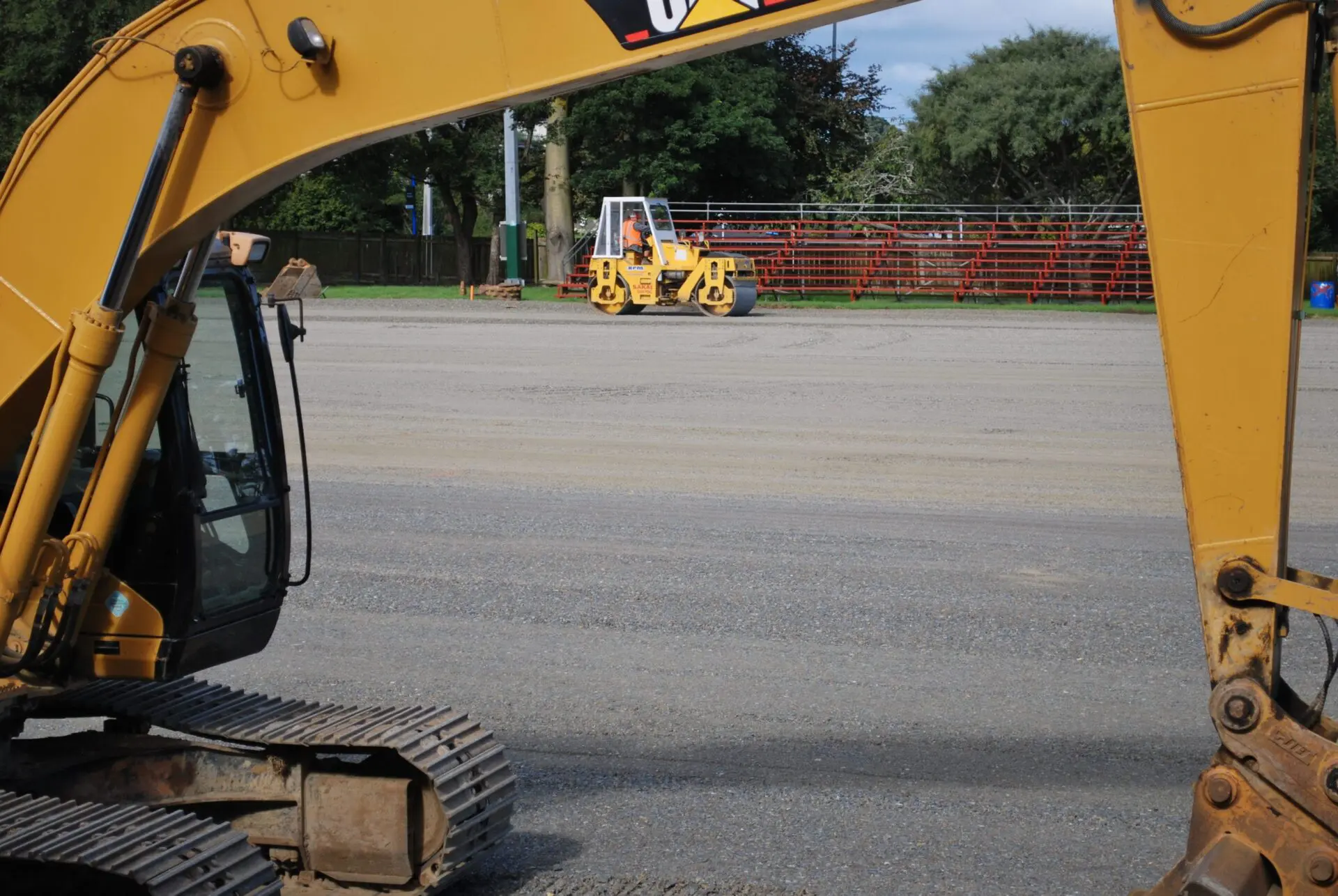
Courtyards, rooftop terraces, old tennis courts and tired concrete patios are some of the most common spots Kiwi homeowners want to green up with artificial grass. The question we get asked constantly is a simple one: can you actually lay turf straight onto concrete? The short answer is yes, but it is a genuinely different job to installing over soil, and doing it properly matters just as much.
Concrete is a stable, flat surface, which sounds like it should make installation easier. In some ways it does. But concrete does not drain the way soil does, and that single difference changes almost every step of the process.
On a natural section, water soaks down through the base and into the ground below. On concrete, water has nowhere to go unless you create a path for it. Get this wrong and you end up with a lawn that looks great until the first proper Auckland downpour, at which point it becomes a shallow paddling pool.
Any cracks, flaking or uneven sections need to be patched and levelled first. Old oil stains, moss or loose debris should be cleaned off so the underlay and turf sit flush against the surface.
Because concrete offers zero natural give, a cushioning underlay is far more important here than on soil. It softens the feel underfoot, reduces the risk of the turf backing wearing through against a hard surface, and improves the drainage path between the slab and the grass.
Turf on concrete is typically fixed with a combination of adhesive and edging trims rather than the ground staples used on soil. Expansion joints in the concrete need to be accounted for so the turf does not tear or lift as the slab naturally moves with temperature changes.
Done properly, artificial grass on concrete is one of the best ways to soften a hard outdoor space without a full renovation. It works particularly well for rooftop entertaining areas, tired tennis or netball courts being repurposed, and small courtyards where digging up the existing slab simply is not practical.
As New Zealand’s only local manufacturer, TigerTurf’s artificial grass installation team has handled everything from suburban courtyards to full commercial rooftop fit-outs, and our construction crews know exactly how to prepare a slab for New Zealand conditions, not a generic overseas playbook. If you are still planning the wider project, our guide to planning a full backyard turf renovation is a good place to start.
Got a concrete area you want assessed? Get a free quote from TigerTurf and we will tell you exactly what it will take.
Not if it is planned for properly. Where there is no existing fall or outlet, drilling drainage holes through the slab at regular intervals gives water a way through to the ground below, rather than leaving it trapped between the concrete and the turf backing.
With a proper shock pad underlay, most people cannot tell the difference underfoot. Skip the underlay and it will feel noticeably harder and less forgiving, particularly for kids playing or anyone standing on it for long periods.
Small, simple areas are sometimes manageable as a DIY project, but getting drainage and adhesive right is where most self-installs go wrong. For anything larger than a small courtyard, it is worth getting a proper assessment first.
How can we help?
Whether you need a surface solution for sports, leisure, or landscaping, our product range and expertise are second to none. Our experts are with you all the way, from selection to installation to maintenance: we pride ourselves on our exceptional customer service. So, what would you like to do next?