April 15, 2026

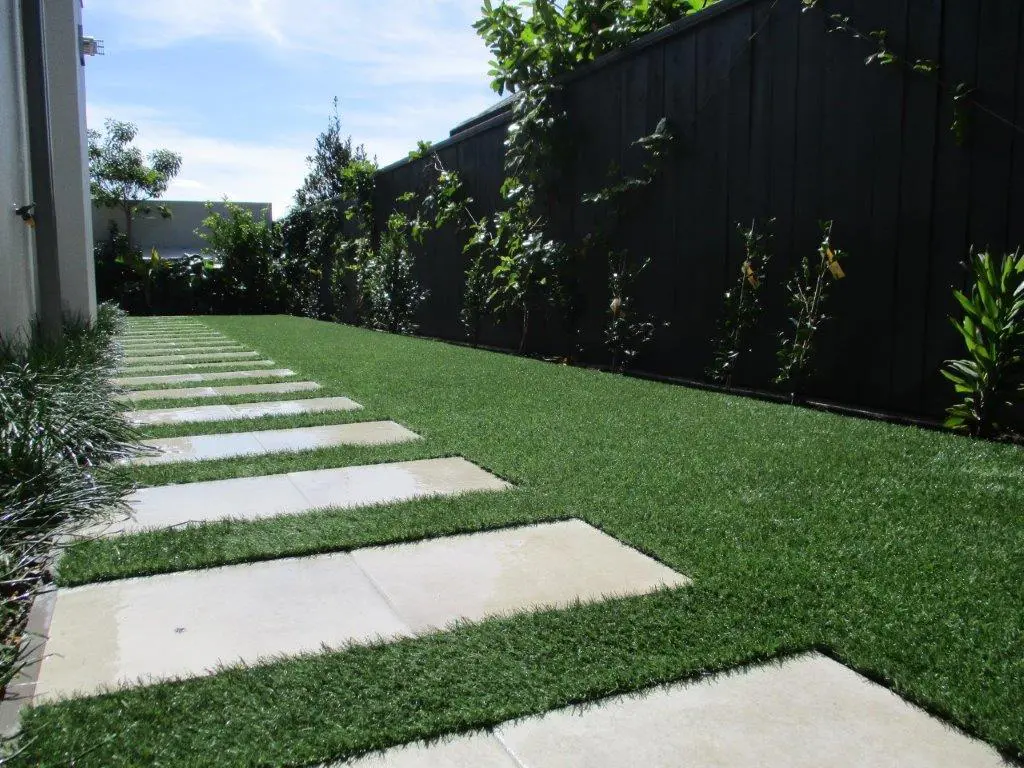
One of the first questions Kiwi homeowners ask when researching synthetic lawn is: what is this actually going to cost me? It is a fair question, and the honest answer is that artificial turf installation costs in New Zealand vary quite a bit depending on your site, the product you choose, and how much preparation work the ground needs before a single roll of turf is laid.
This guide breaks down every cost component so you can budget accurately, compare quotes on equal terms, and avoid the nasty surprises that sometimes catch people off guard mid-project.
As a general guide, full residential artificial turf installations in New Zealand including all materials and labour typically range from $150 to $250 per square metre. That is a wide range, and the variation is real. Here is what drives it.
That works out to roughly $130 to $210 per square metre for this size project, with larger sites generally coming in lower per square metre as fixed mobilisation and access costs spread across more area.
The single biggest driver of cost variation in artificial turf installation is what needs to happen below the surface before the turf goes down. Two properties of identical size can have very different preparation requirements depending on soil conditions, drainage needs, and what is currently on the ground.
A quality base is not the place to cut costs. Settlement, pooling, and drainage failure almost always trace back to base preparation shortcuts rather than the turf product itself. If you are comparing two quotes and one is significantly cheaper, ask exactly what the base specification includes.
Our full guide on how to plan a backyard turf renovation covers base preparation in detail, including what to expect at each stage of the process.
The turf product itself represents a significant portion of the total project cost, and the range available in New Zealand spans from entry-level functional products to premium residential turf that is genuinely difficult to distinguish from a well-maintained natural lawn.
TigerTurf manufactures all its products in New Zealand, which means the UV stabilisation, pile specifications, and drainage performance are designed for our specific climate conditions rather than adapted from products made for European or Middle Eastern markets. The Envy, Summer Envy, and PureCloud ranges each represent a different balance of realism, durability, and price point.
Explore the full TigerTurf residential range and request samples at the artificial grass product pages.
Larger lawns generally cost less per square metre than small ones because fixed costs like travel, equipment hire, and minimum material orders are spread across more area. That said, shape matters as much as size.
When getting quotes, ask suppliers to confirm the total turf area being charged versus the net area of your lawn. There will always be some waste, but understanding the waste allowance in a quote helps you compare fairly.
One of the most compelling arguments for artificial turf is the near-elimination of ongoing lawn maintenance costs. No fertiliser, no mowing, no reseeding, no watering. Over ten to fifteen years, the cost comparison with a well-maintained natural lawn often swings firmly in synthetic turf’s favour.
To understand the full value calculation over time, our guide on how long synthetic turf lasts in NZ conditions covers UV degradation, wear factors, and realistic lifespan expectations by product type.
For most New Zealand homeowners, yes. The upfront cost of a quality installation is real, but so is the ten to twenty year lifespan of a well-installed product, the elimination of weekly mowing, and the year-round usability of a surface that does not turn into a muddy mess through an Auckland winter.
The key is to invest in the right base preparation and choose a product that is properly UV-stabilised for New Zealand conditions. Cutting corners on either of those factors is where installations fail to deliver on the promise.
How can we help?
Whether you need a surface solution for sports, leisure, or landscaping, our product range and expertise are second to none. Our experts are with you all the way, from selection to installation to maintenance: we pride ourselves on our exceptional customer service. So, what would you like to do next?